Three generations on the same land.
Since 1978, the same family, the same barn, and a rule that never changed: a puppy with no job to do isn't a happy puppy.
It started with a herding dog we never meant to breed.
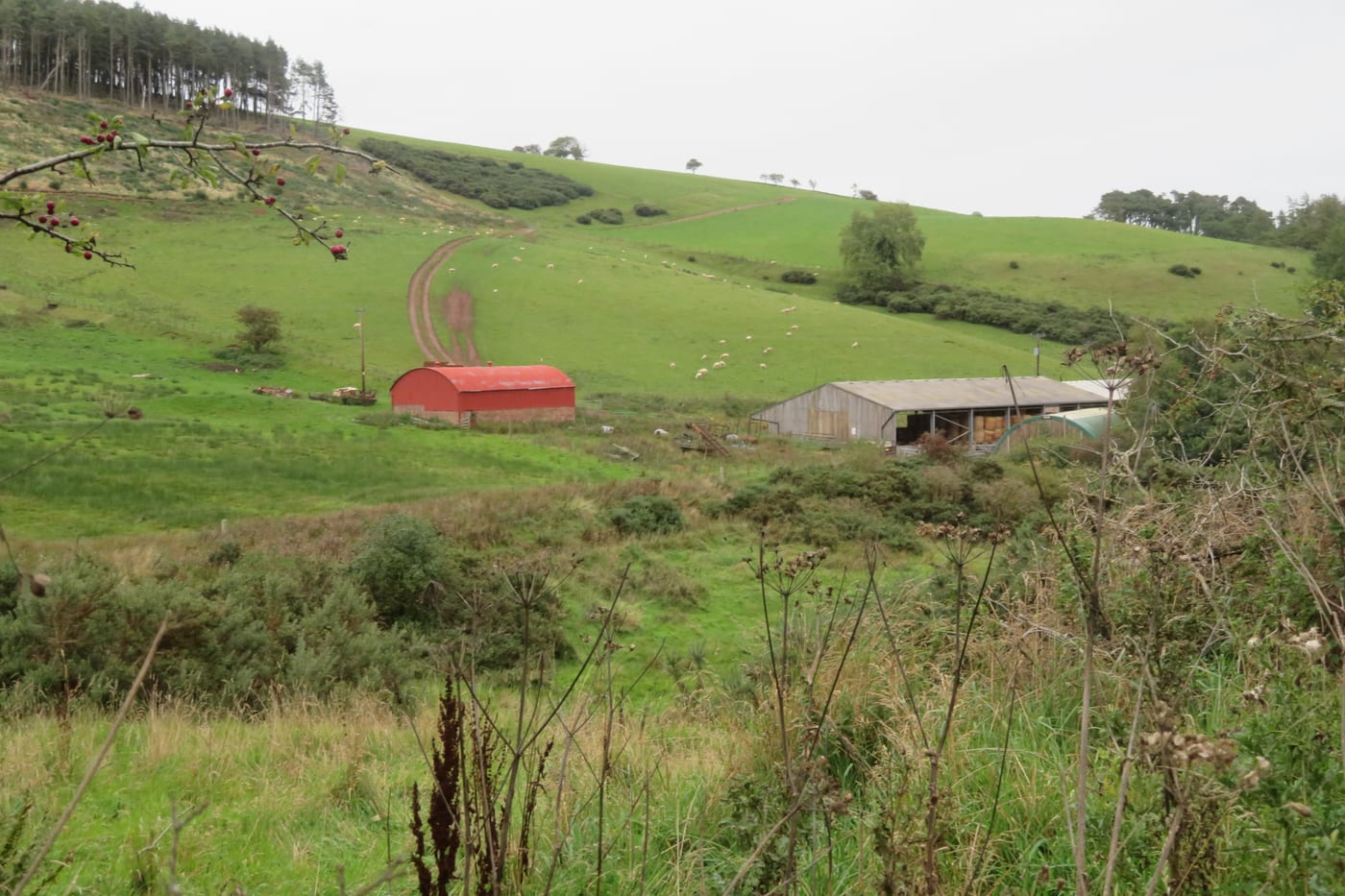
My grandfather bought his first border collie in 1978 to keep the dairy cows in line. Belle, a sharp-eyed working dog, turned out so gifted that neighboring farms began asking for puppies from her litters.
Three generations later, the farm has changed — fewer cows, more sheep, a flock of chickens — but working dogs have stayed at the center of it. We still whelp litters in the same barn where my grandfather raised his first.
My father added the Australian shepherd in the 1990s, after working alongside a breeder in Vermont. Today my partner and I breed both lines, always for work first.
Two breeds, and nothing else.
Knowing two working lines well beats skimming over six.
Border Collie
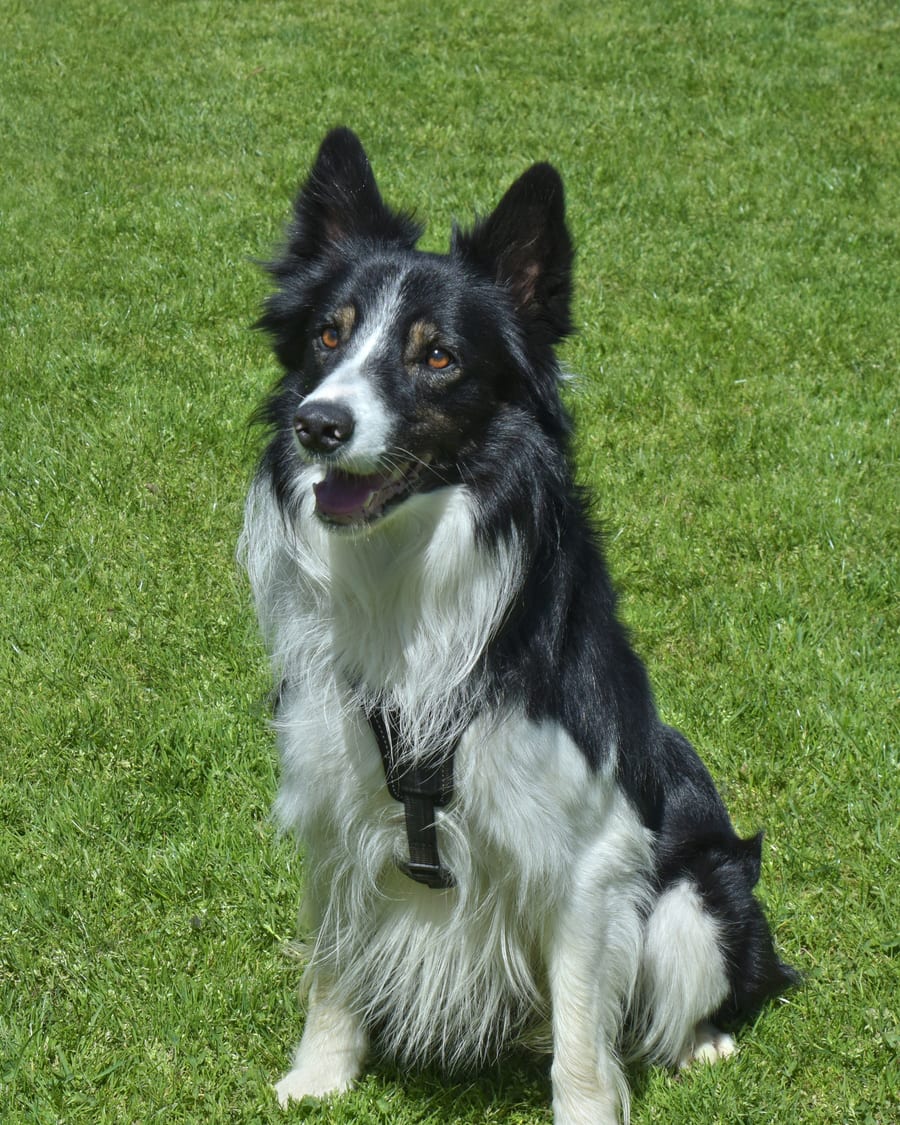
The best herding dog in the world, and an extraordinarily intelligent companion. It needs a job — physical or mental — every day. Without one, it invents problems for itself.
Good to know: not a dog for a sedentary lifestyle. Excellent at agility, disc-dog or amateur herding.
Australian Shepherd
Sturdy, loyal, a bit more reserved with strangers than the border collie. An excellent all-purpose farm dog — watchdog, herder, active companion.
Good to know: the merle gene (mottled coat) requires careful pairing between breeding dogs, which we strictly respect.
Why not other breeds
We tried, long ago, to add a third line. The result: less time to truly know each dog. We went back to two, and we're staying there.
Belief: specialization serves the puppy, not just the breeder.
Both breeds need real daily exercise — not just a fenced yard. We sometimes turn down a placement when the lifestyle doesn't match, and we always explain why.
What we test for, and what we guarantee.
No breeding takes place until both parents have passed the testing recommended for their breed. Certificates are handed to you directly.
Hips and elbows
X-rays evaluated by a recognized body, on both parents, before breeding.
Eyes (CAER)
Annual eye examination — collie eye anomaly affects both breeds.
MDR1 genetic panel
DNA test for the drug sensitivity specific to herding breeds, on every breeding dog.
Two-year guarantee against serious hereditary illness, provided in writing. Replacement or refund, your choice.
Come see the farm before you decide.
We welcome families by appointment, even without a firm plan. You'll see the barn where the puppies are born and meet the parents at work with the flock.
One piece of advice, even if you don't adopt from us: be wary of a breeder who refuses to show you where their dogs live. It's the most reliable signal there is.